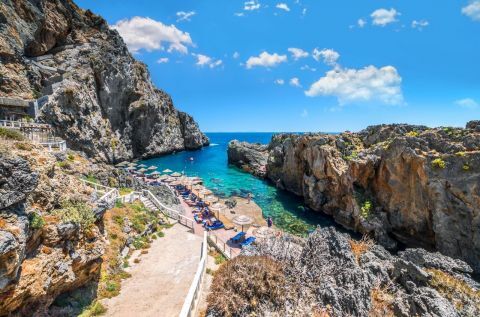
Rethymno Sights & Attractions

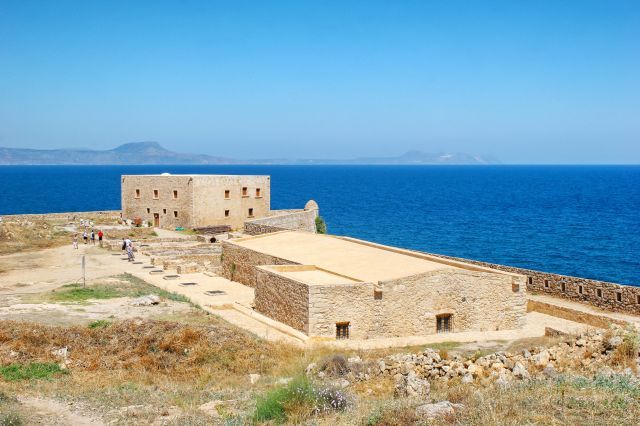
Fortezza
CastlesThe Fortezza of Rethymno was constructed in 1573 by the Venetians to protect the town from enemy invasions and it was captured by the Ottomans in the 17th century. Today it is an impressive construction and constitutes the trademark of the town.
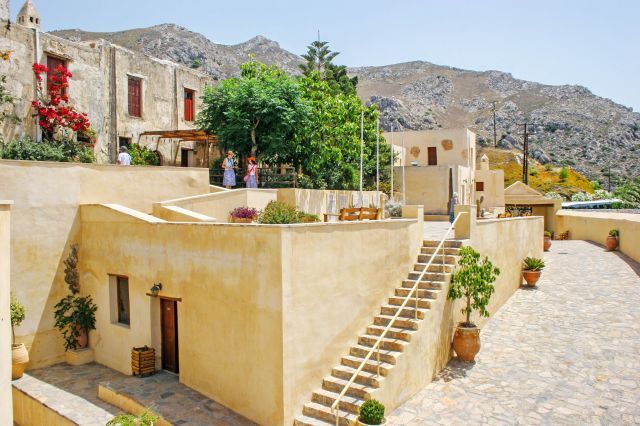
Preveli Monastery
ChurchesThe historic Monastery of Preveli is located about 40 km south of Rethymnon Town. It stands by a bridge over Kourtaliotikis River and it is surrounded by lush vegetation. The monastery has two buildings with a distance of 3 km between each other. It was originally built in the 17th century and it played an important role in all the Cretan fights for freedom.
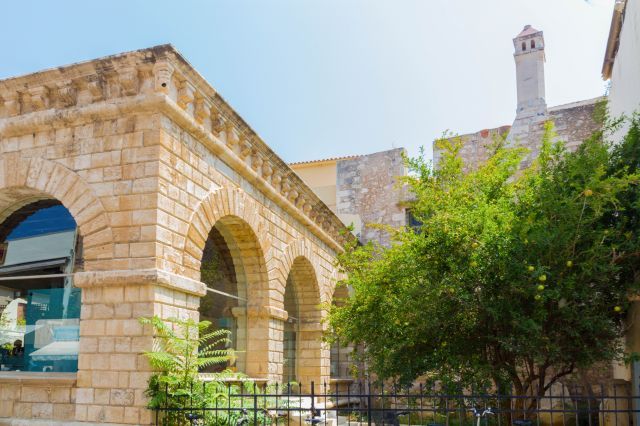
Venetian Loggia
OtherThe Venetian Loggia is a 16th-century building located in the heart of the Old Town of Rethymnon. It used to be the meeting point for the Venetian noblemen in the Medieval times and now it hosts the gift shop of the Archaeological Museum of Rethymnon.
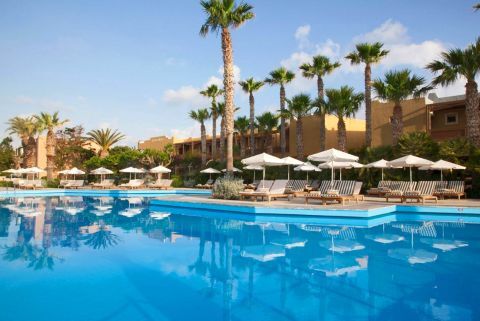
Our selection of Best Hotels
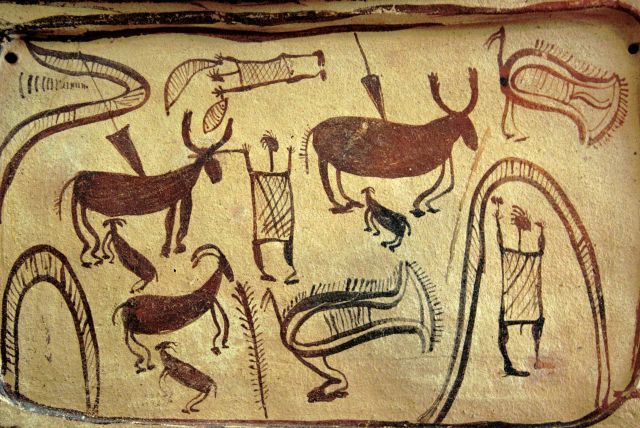
Archaeological Museum
MuseumsThe Archaeological Museum of Rethymnon is housed in a building right at the entrance of the Fortezza. It houses exhibits from excavations held in the prefecture of Rethymnon, presenting the history of the area from the paleolithic till the Roman times.
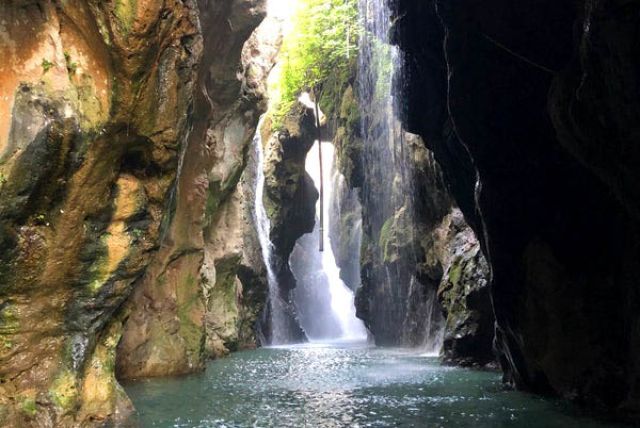
Kourtaliotiko Gorge
Outdoor ActivitiesKourtaliotiko Gorge is located in Rethymno region and it is 3 kilometres long.
It is one of the most impressive places in Crete to go hiking, with dense vegetation, caves, enormous rock formations enclosing a river and Kourtaliotis waterfall, as well as ponds where you can swim.
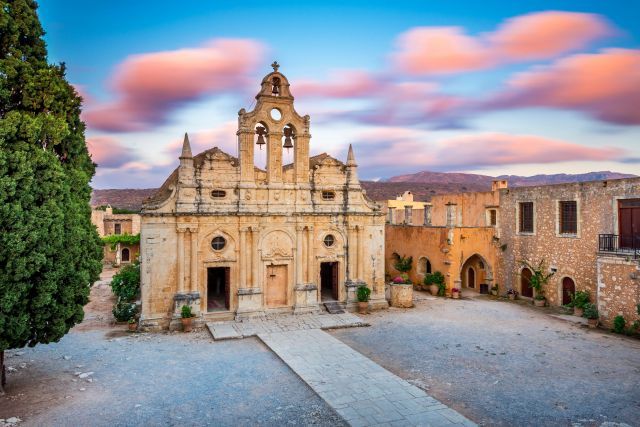
Monastery of Arkadi
ChurchesThe Monastery of Arkadi is the symbol of the Cretan Revolution. In 1866, Crete had revolted against the Ottoman Turks who ruled the island. Many fighters were trapped inside the monastery and the Turkish army was besieging it. To avoid capture, they exploded the monastery and killed themselves and the Turks outside it.
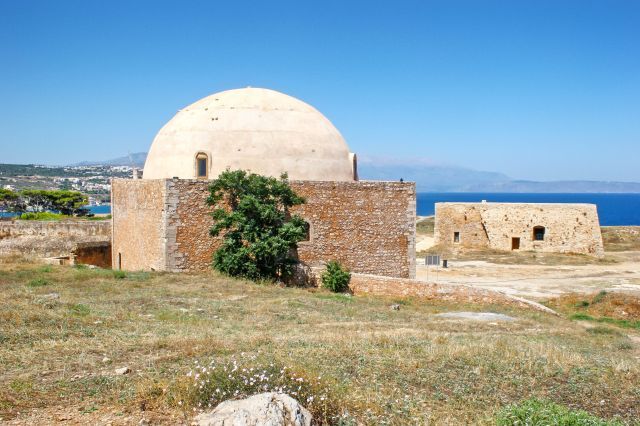
Ibrahim Han Mosque
OtherThis mosque is located in the center of the Fortezza. At first, it was a church dedicated to Saint Nicolas but then, when the town was conquered by the Ottomans, it was turned into a mosque. Today it is closed to the public and opens only to host musical events.
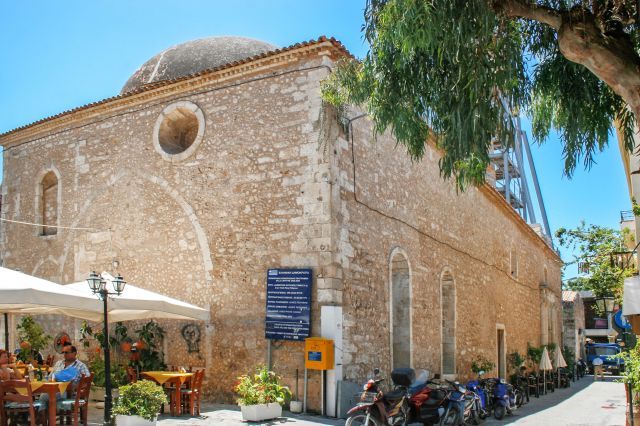
Neratze Mosque
OtherThis building was originally a Christian church. Then, the Turks made it a mosque and nowadays it houses the Municipal Odeon of Rethymno. Its minaret is the highest in the town.
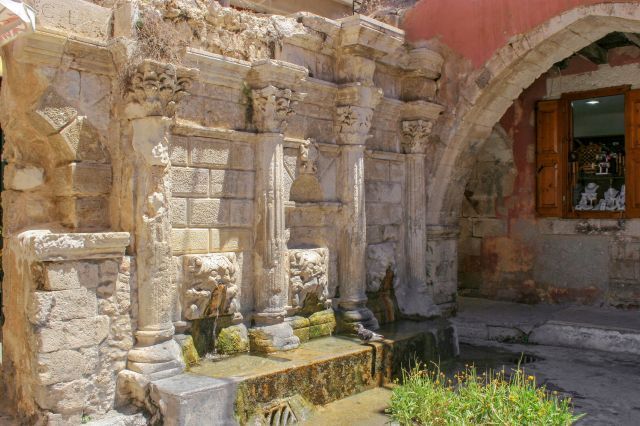
Rimondi Fountain
OtherA small but elegantly classical structure stands at Petichaki square, in the heart of the old town of Rethymno, close to Loggia. This is the Rimondi fountain built in 1626.
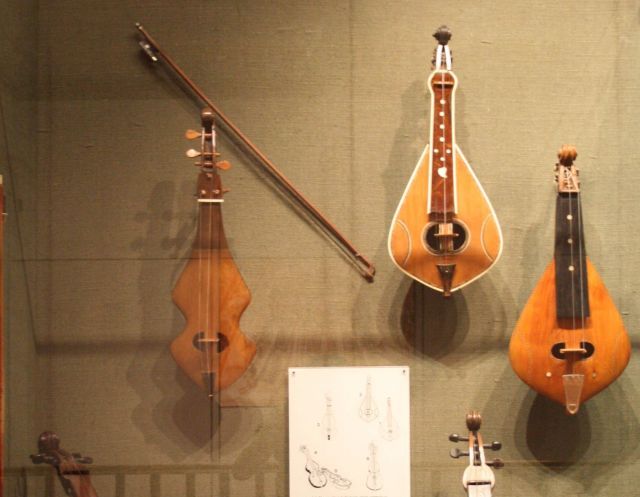
Museum of Cretan Lyra
MuseumsThe Museum of Cretan Lyra is strongly connected with the tradition and music of Crete. This is actually a workshop of Cretan lyras and one room has been hosts a large collection of lyras and other traditional musical instruments.
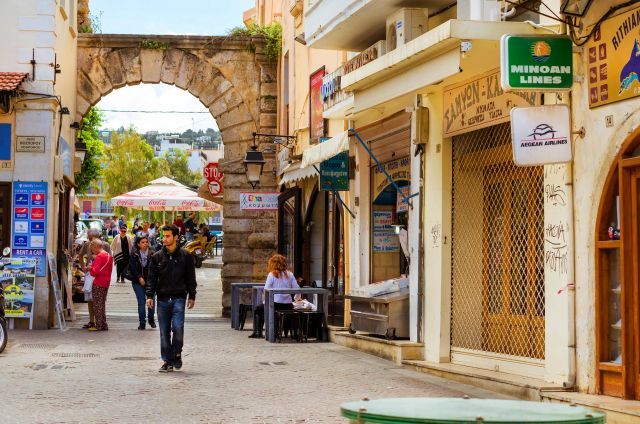
Big Door (Porta Guora)
OtherThe Venetian and Ottoman dominations of the past have left their mark on the city of Rethymno in the form of various monuments such as the Fortezza and the Big Door (Porta Guora), amongst others.
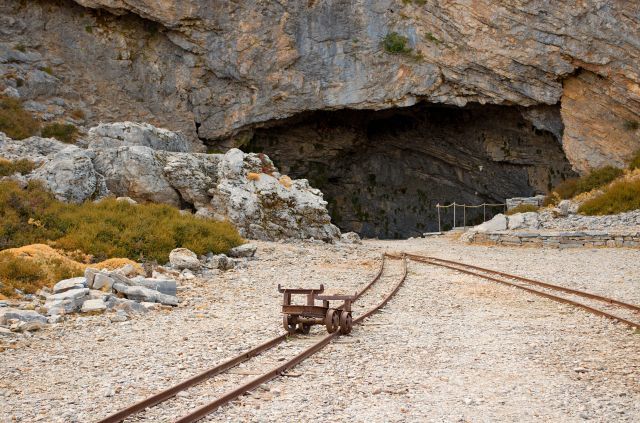
Ideon Cave
OtherIdeon Cave is located about 20 km south of Anogia village, Rethymnon. According to mythology, this is the cave where god Zeus was raised, hidden from his father Cronus. Cretan men named Kourites was guarding him and a nymph goat was feeding him with milk.
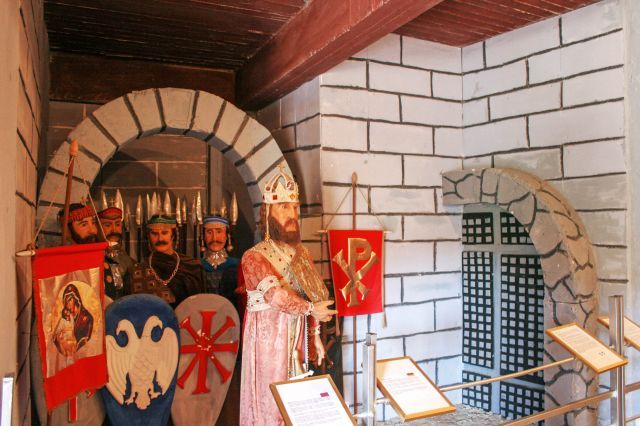
Wax Museum
MuseumsIn the remote village of Zoniana, 45 km from Rethymno, there is an interesting wax museum with figures from all over the Cretan history. Established in 1998, this Wax Museum is housed in a space of 1,000 sq.m.
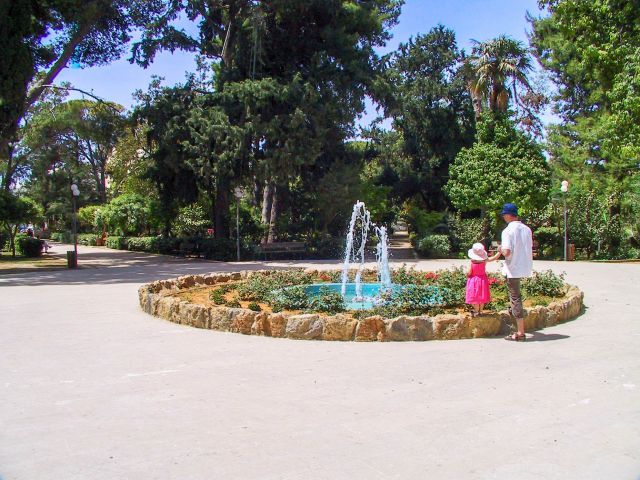
Public Park
Hills and ParksThe Public Park of Rethymno is a lush green area located in the center of the city. This is a favorite promenade for locals and visitors. It also hosts a small zoo with species of the Cretan animals.
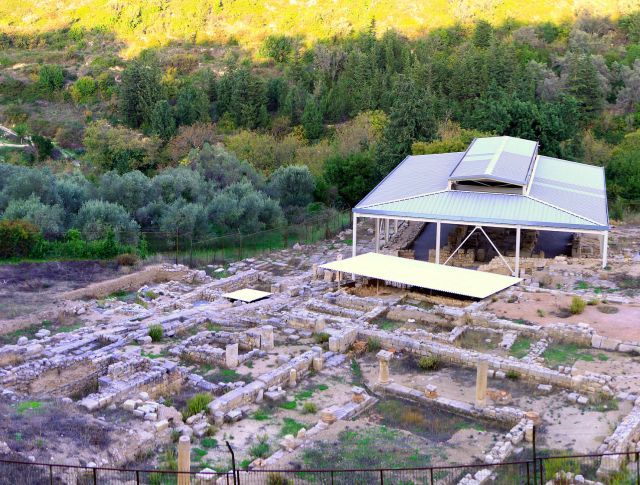
Ancient Eleftherna
Ancient SitesAncient Eleftherna, one of the most important archaeological sites in Crete, is located about 30 km southeast of Rethymnon Town, at the foot of Mount Psiloritis. This town was inhabited from the prehistoric till the early Christian times. Archaeologists have unearthed a town, a necropolis, and the Acropolis.
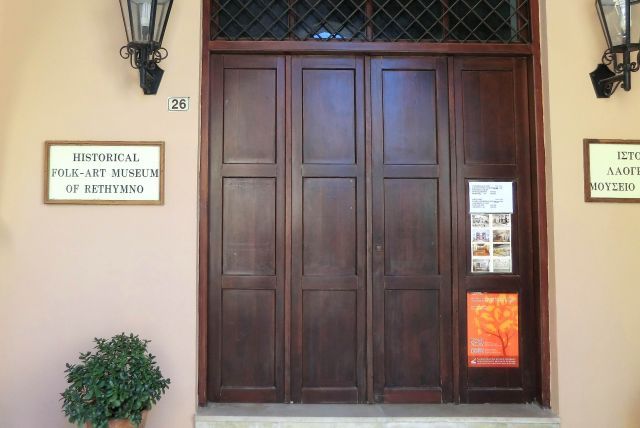
Historical and Folklore Museum
MuseumsThe Historical and Folklore Museum of Rethymnon was established in 1973 and it is housed in an elegant Venetian building. The exhibits of the museum come of private collections and donations. They include traditional clothing, tools, ceramics, jewelry, coins, and other items.
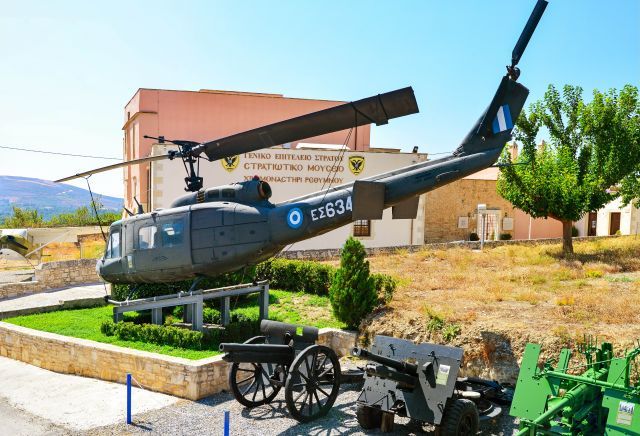
Military Museum of Chromonastiri
MuseumsVilla Claudio, a lovely mansion of Venetian architecture, was recently restored and it now houses an interesting Military Museum. This museum was inaugurated in May 2010 and hosts military uniforms, weapons of various ages and army vehicles in the yard.
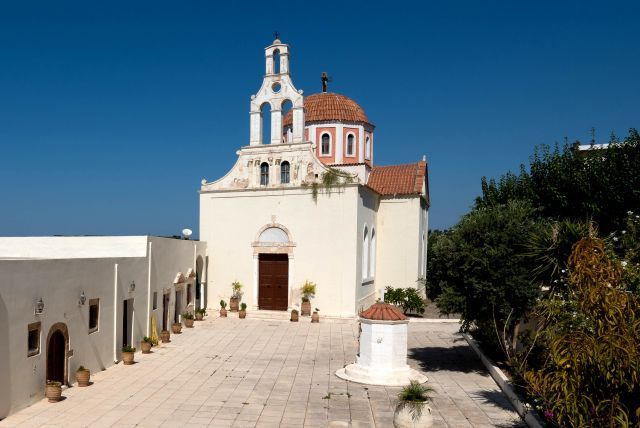
Arsani Monastery
ChurchesThe Monastery of Arsani is dedicated to Saint George and it was probably built in the 16th century. The monastery has a small museum with ecclesiastical clothing, Byzantine icons and holy crosses of the 17th century.
Ecclesiastical Museum
MuseumsEstablished in 1994, the Ecclesiastical Museum of Rethymnon is housed in the Cathedral of the town. It exhibits rare items from various churches of the region.
Monastery of Antifonitria
ChurchesThe Monastery of Panagia Antifonitria is located in Miriokefala, a mountainous village in the borders between Rethymno and Chania. Founded in the 11th century A.D., this is among the oldest monasteries in Crete.
Ottoman Baths
GeneralAn interesting site of Rethymno is the Ottoman baths, also known as Hamam in Turkish. They are situated in the Old Town, on Radamanthyos st, and date from 1670.