

TRAVEL GUIDE TO AEGINA
Aegina is a Saronic Islands that lies very close to the port of Piraeus. Yet, its proximity to Athens is only one of the reasons that makes a great destination for short getaways!
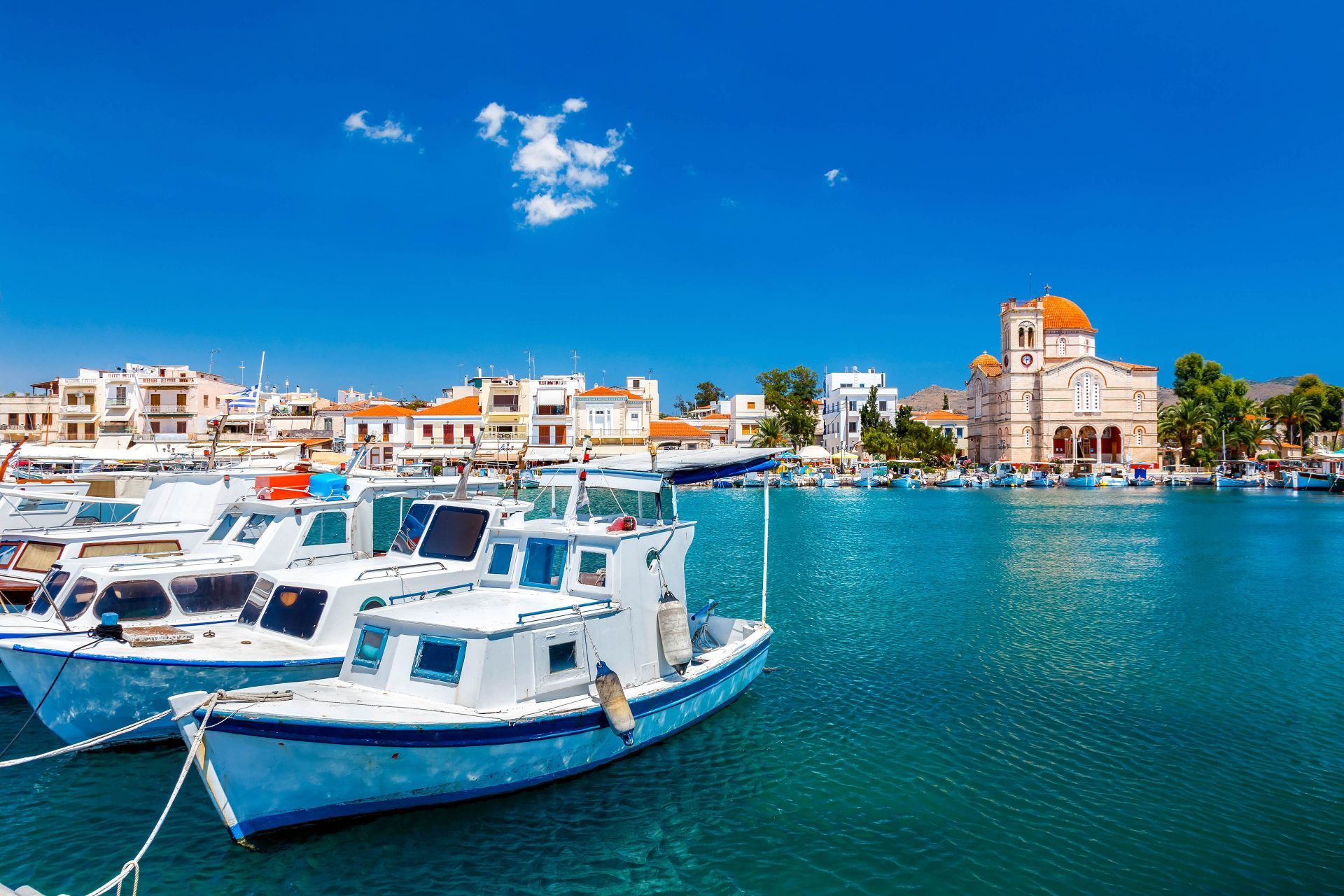
Many archaeological monuments, picturesque villages and beautiful beaches wait for visitors to discover them, while the island's seafront main town stands out for its neoclassical architecture.
In our travel guide, you can find out everything about your holidays in Aegina, Greece.
Discover the things to do, the best hotels and restaurants, enticing beaches, many sights, amusing tours, as well as numerous breathtaking photos!
The island can be reached only by ferry from Athens.


OUR TRAVEL SERVICES IN AEGINA
Book your trip to Aegina with Greeka, the Greek islands specialists! We help thousands of people every year to plan beautiful and trouble-free holidays. From tours to hotels and from car rentals to ferry tickets, we provide all the essential services to make your travel to Santorini the most epic and smooth one.
Our travel services are rated . Our guide and services won the Silver Award (2020) at the annual Tourism Awards in Greece. Read reviews about our services.



ABOUT AEGINA GREECE
Located in the heart of the Saronic Gulf, near the islands of Poros and Agistri, Aegina is one of the most preferred islands for quick getaways, thanks to its proximity to Athens! Many ferries from Athens depart from Piraeus Port and arrive to the island in less than an hour.
The island’s capital, Aegina Town, on the western side of the island, is where the main port lies. In this colorful little town, you’ll find a great selection of cafes, restaurants, traditional taverns, and shops, especially along its bustling waterfront.
Outside the Town, Agia Marina is the most popular seaside resort on the island. Those who seek some quiet usually prefer more secluded places, like Perdika.
As for its beaches, although not that many, they are enticingly beautiful! Most of them are small but organized with many facilities. Among the best are Souvala Beach and Marathon Beach.
Around most of these beaches, you’ll also find a selection of hotels, seaside taverns and beach bars. However, if you are into more cloistered beaches, you can find many along the island’s coastline!
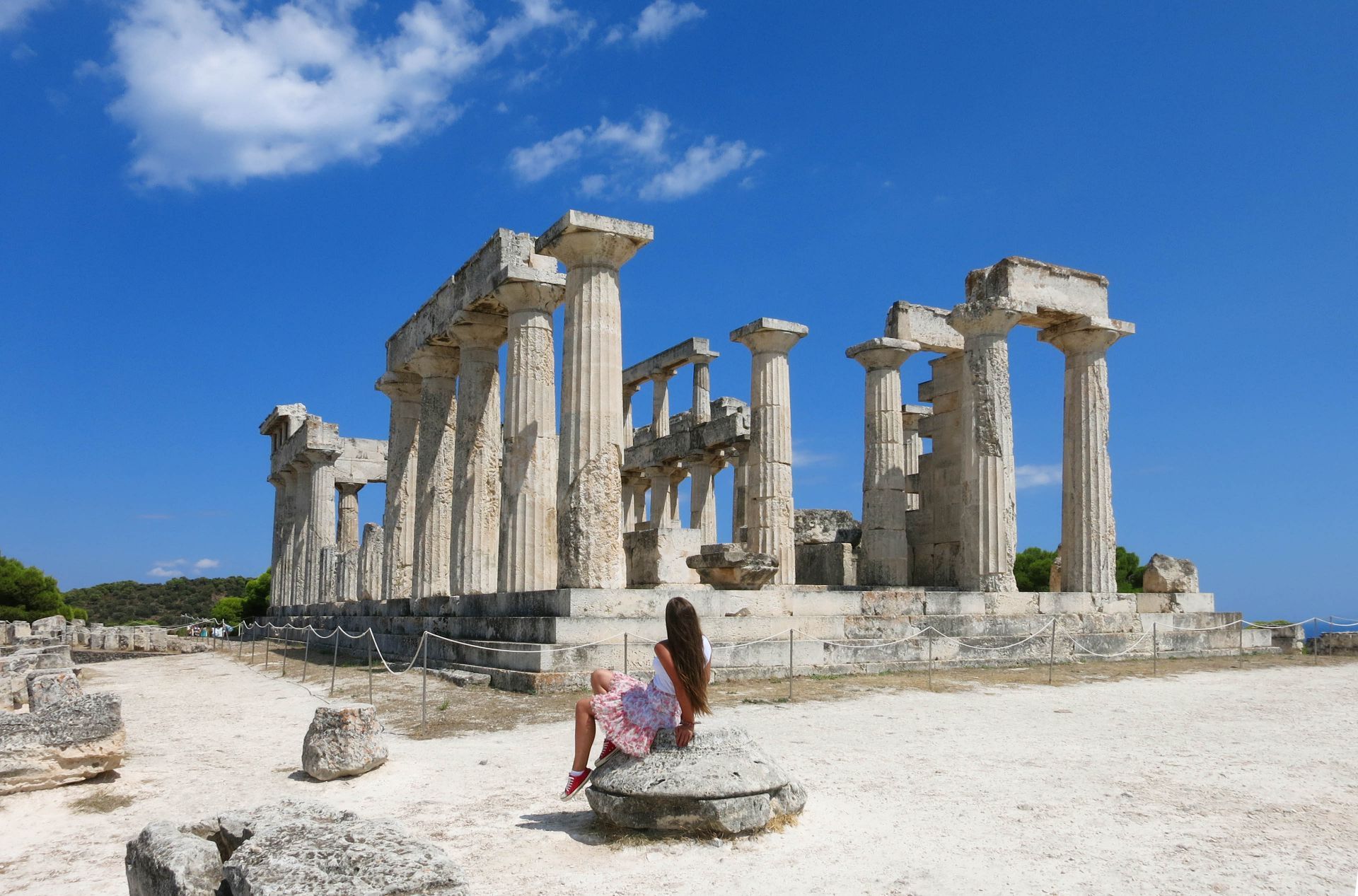
The most famous ancient monument is, hands down, the Temple of Athena Aphaia, a Doric temple sitting in the center of the island. Other important sites are the Temple of Apollo and the Temple of Ellanios Zeus.
So, are you ready to discover the secrets of Aegina Island?
PHOTOS OF AEGINA / SHARE YOUR EXPERIENCES
Explore Aegina island through the lens of the talented members of the Greeka community.
Share your experience with us or tag us #greekacom on your favorite social media.
HOTELS & ACCOMMODATIONS
Agia Marina, Perdika, Souvala and the Town are the main areas to look for accommodation in Aegina.
The small island offers a wide variety of options, including hotel rooms, apartments, houses and villas with either a modern or a traditional style and a relaxing atmosphere.
Depending on the location and hotel you pick, the beach may be within walking distance or a swimming pool may be provided instead.
Some of the most popular hotels are:
• Nikolaou Residence • Antzi • Aelia Villa • Marini
HOW TO GET THERE & MOVE AROUND?
The island is only accessible by ferry. There are ferries to Aegina from the port of Piraeus in Athens and two other islands of the Argosaronic Gulf. The closest airport to Aegina is located in Athens.
Book your ferry tickets with us!
HIGHLIGHTS: BEST OF AEGINA
Discover the highlights of Aegina to experience during your holiday! From sightseeing to activities and from tours to restaurants, here are the best suggestions for the ultimate experience!
View All Things to Do


WHERE TO GO NEXT?
Continue your trip to the best places in Greece! The most popular destinations after Aegina include Agistri, Poros, Spetses, and Hydra.


