Corfu Sights & Attractions


Kanoni and Mouse Island
Other
Town
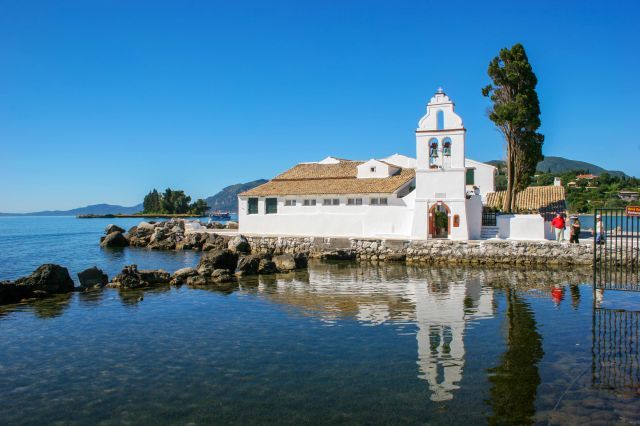
The region of Kanoni and Mouse Island (Pontikonisi) is the most picturesque spot in Corfu Town. A canon is situated high up on a hill; from there, people can see the Mouse Island and the little church of Panagia Vlacherna, linked with the mainland with a narrow pathway.
Achillion Palace
Monuments
Gastouri
Note: The palace is temporarily closed due to restoration works. The outdoor spaces and the gardens remain open to visitors.
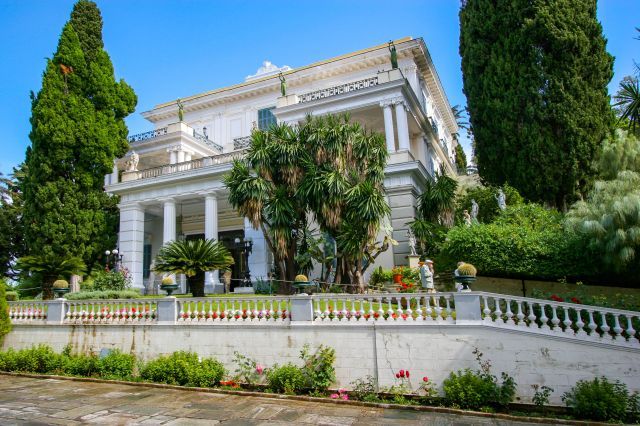
The Achilleion Palace was built in 1890 for Elizabeth (Sissy), the Empress of Austria. It used to serve as the summer retreat of the Empress, who named it Achillion after her favorite Greek hero, Achilles. After her assassination, it was sold to the Kaiser of Germany.
Old Fortress
Castles
Town
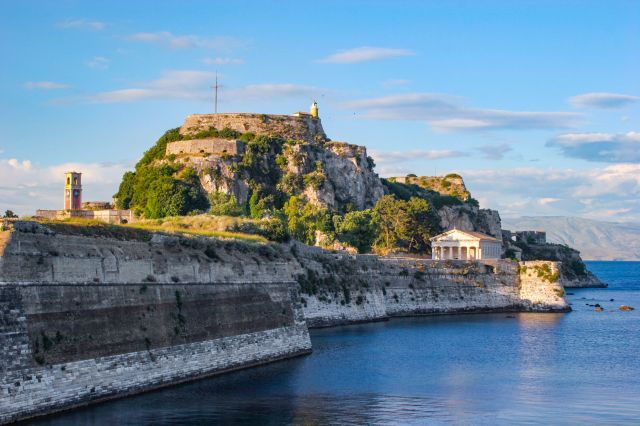
The Old Fortress of Corfu stands next to Spianada Square and Liston. It is an impressive castle built on a peninsula into the sea and connected to the mainland via a narrow bridge. A lighthouse stands on its top and offers a great view of the Town and the sea.
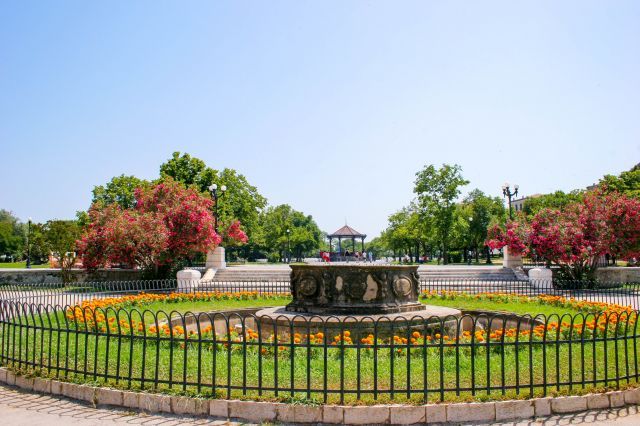
Spianada Square
Hills and Parks
Town
Spianada is the most impressive square of Corfu Town and lies between the Old Fortress and the Old Town. It is the largest square in Greece and one of the largest and prettiest squares in Europe.
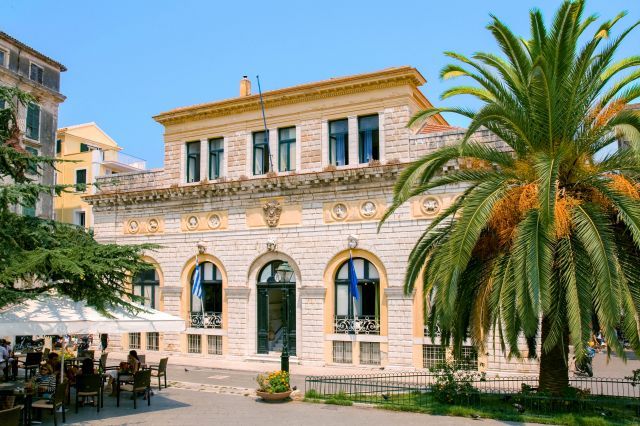
Town Hall
Monuments
Town
The Town Hall of Corfu is housed in an elegant mansion of Venetian style, constructed in the late 17th century. It used to serve as a club for noblemen, then a theatre and from 1903 onwards as the Town Hall.
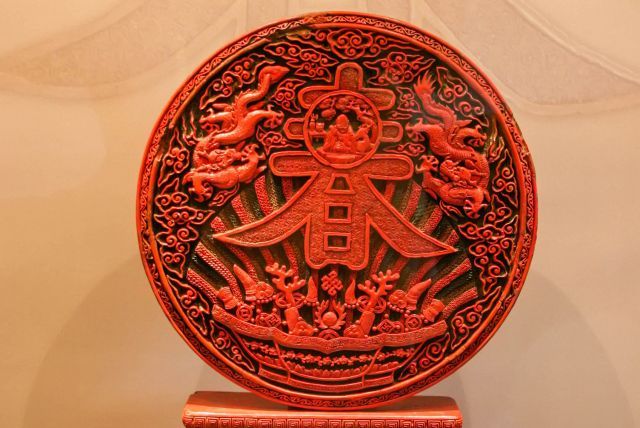
Museum of Asian Art
Museums
Town
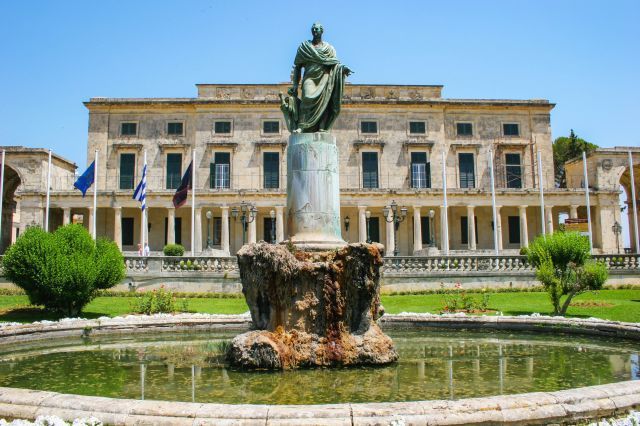
The Museum of Asian Art of Corfu is the only Asian museum in Greece and is housed in the Palace of Saint Michael and Saint George. It was founded in 1927 after an ambassador, donated hid private collection of 10,500 objects of Sino-Japanese origin to the prefecture.
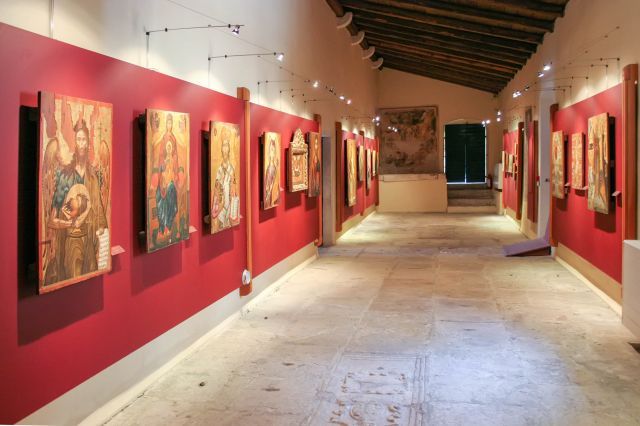
Byzantine Museum
Museums
Town
This museum is housed in the church of Antivouniotissa, one of the oldest and richest churches in Corfu Town. In 1979, this church was turned into a museum and it exhibits a rich collection of Byzantine and post-Byzantine icons and relics, representing more than five centuries of religious fervor and art.
Municipal Art Gallery
Museums
Town
The Municipal Gallery of Corfu is housed inside the Palace of Saint Michael and Saint George. It houses brilliant works of local artists of the 19th century and frequently it hosts important exhibitions.
New Fortress
Castles
Town
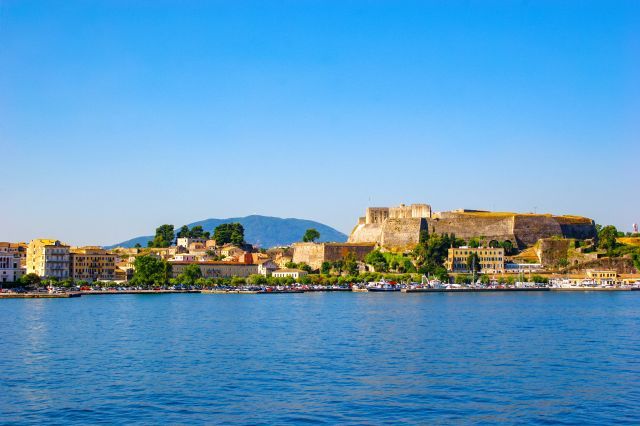
This fortress is also known as the New Fortress of Corfu, in contrast to the Old Fortress near Spianada Square. It played an important role in the protection of the town against pirates and enemies in Medieval times. The entire fortress is an intricate network of compartments and galleries.
Temple of Artemis
Ancient Sites
Town
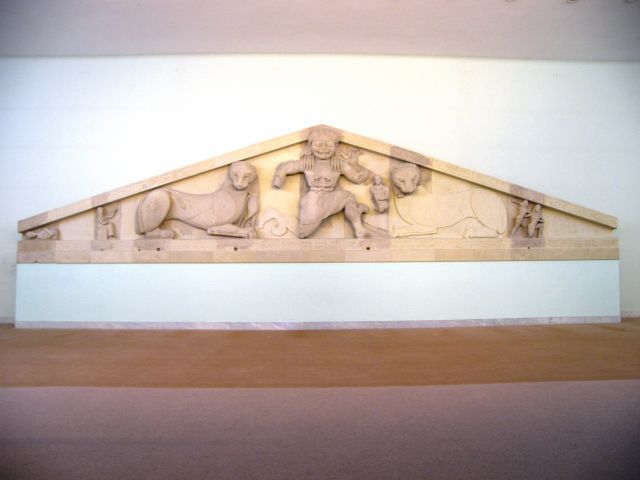
The magnificent temple of Artemis was a typical Doric temple. Dedicated to the Greek goddess Artemis, the temple was located near the lagoon of Chalikiopoulos.
Mon Repos Palace
Monuments
Town
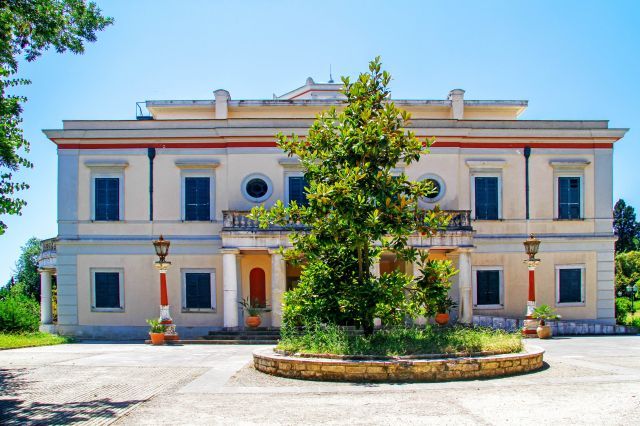
Mon Repos used to be the summer residence of the former royal family of Greece. It is located on the way to Kanoni, Corfu Town, among a lovely green setting.
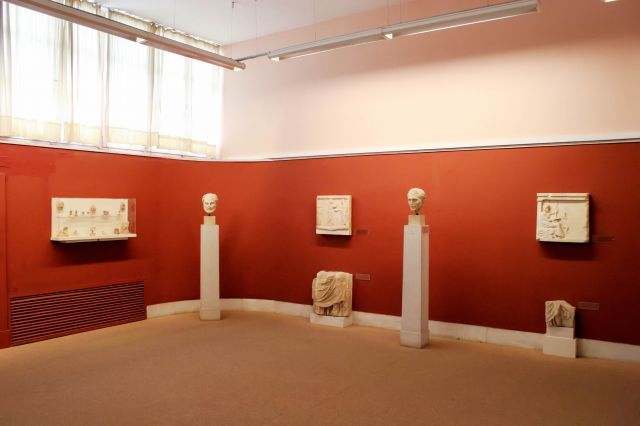
Archaeological Museum
Museums
Town
The Archaeological Museum was built to house the Gorgo pediment from the temple of Artemis which was found in the area of Paleopolis. Visitors can also admire other findings from excavations from the archaeological sites of the island, the ancient town of Cassiopeia and items from a private collection.
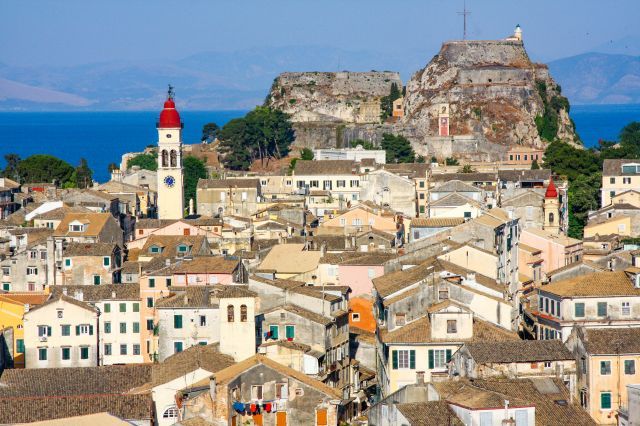
Saint Spyridon
Churches
Town
The church of Saint Spyridon is located in the Old Town of Corfu, right behind Liston. It has the largest bell tower of all churches in the city and it is its red dome that visitors first see when they arrive by boat to Corfu.
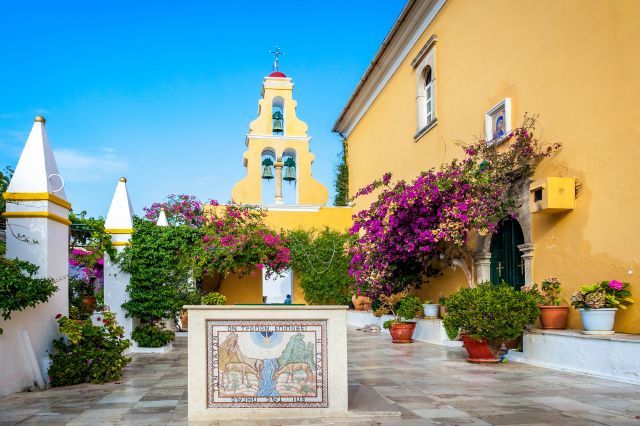
Paleokastritsa Monastery
Churches
Paleokastritsa
Built in the 13th century on the hill of Paleokastritsa, the monastery houses a small museum with Byzantine and post Byzantine icons. The museum gives great views to the sea and it is open to visitors.
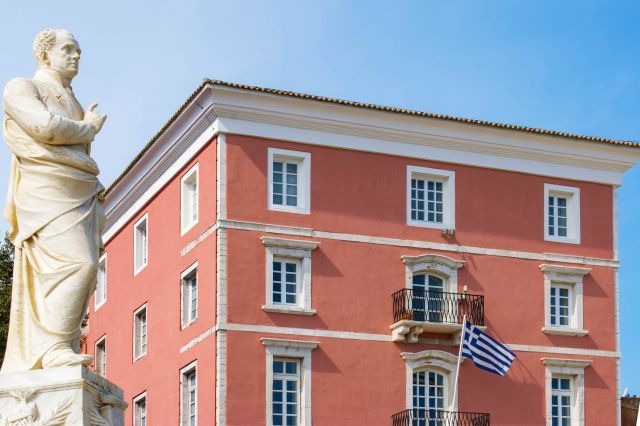
Ionian Academy
Monuments
Town
The Ionian Academy is the first University in Greece. It worked as a university building from 1824 to 1864, then as a library and today it hosts cultural events and exhibitions. The academy suffered much damage by German bombs in 1943 but it has been restored.
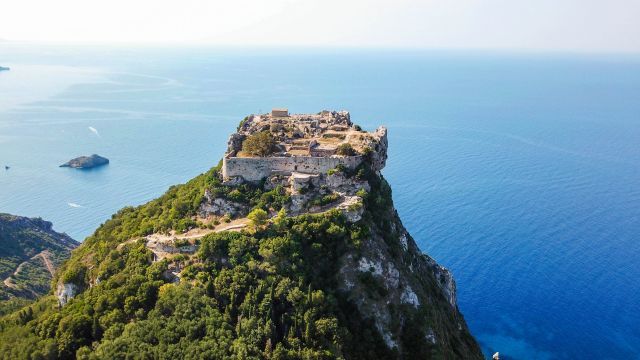
Angelokastro Castle
Castles
Paleokastritsa
The name of the castle means "Castle of the Angels" in Greek. It is located on top of a steep cliff overlooking the sea, near Paleokastritsa. It takes a bit of rough walking to get there but the view rewards visitors.
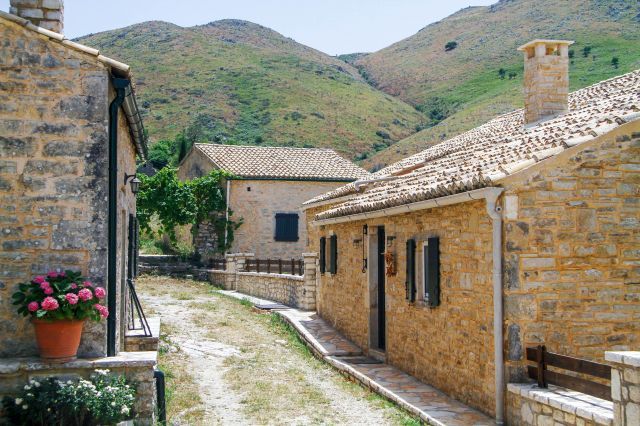
Old Perithia
Other
Kasiopi
Old Perithia (Palea Perithia) is a ghost village located on the slopes of Mount Pantokrator, the highest mountain in Corfu. Although the village today is almost uninhabited, it is frequently visited for its Venetian architecture and impressive atmosphere.
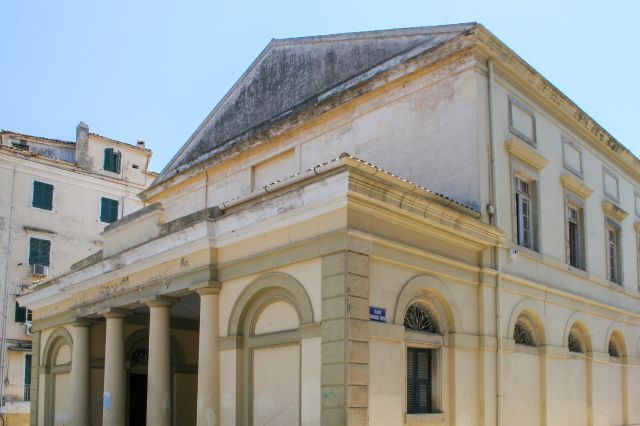
Ionian Parliament
Monuments
Town
The Ionian Parliament is a neoclassical construction in the Old Town of Corfu, at the end of Moustoxidi Str or Plati Kandouni, as it is known to the locals.
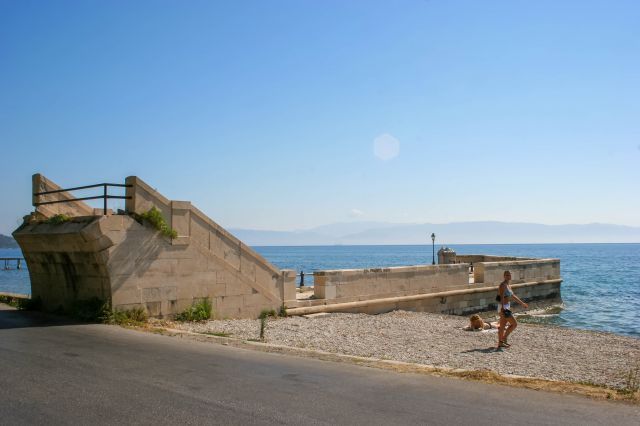
Kaizer Bridge
Other
Gastouri
Although not a very famous attraction of Corfu, this now non-functional bridge was built in order to connect the Achillion Palace with the sea.
Kapodistrias Mansion
Monuments
Town
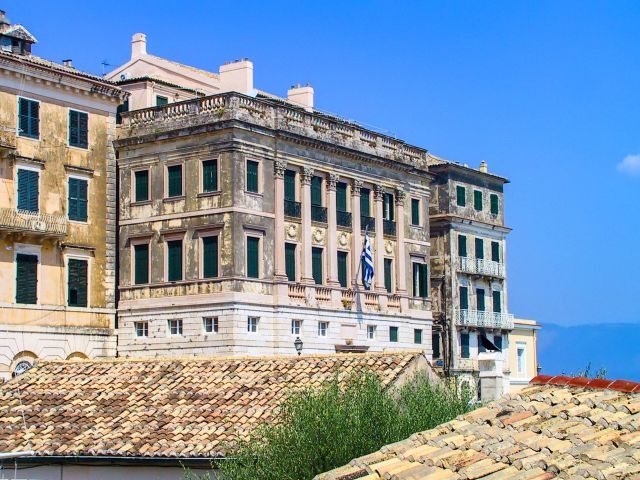
Ioannis Kapodistrias' mansion, which belonged to the first governor of the modern Greek State, is an impressive building of Corfu Old Town. It is located in the quarter of Mouragia and has housed the offices of the Prefecture of Corfu as well as the Department of Foreign Languages, Translation and Interpretation of the Ionian University.
Vidos Islet
Other
Town
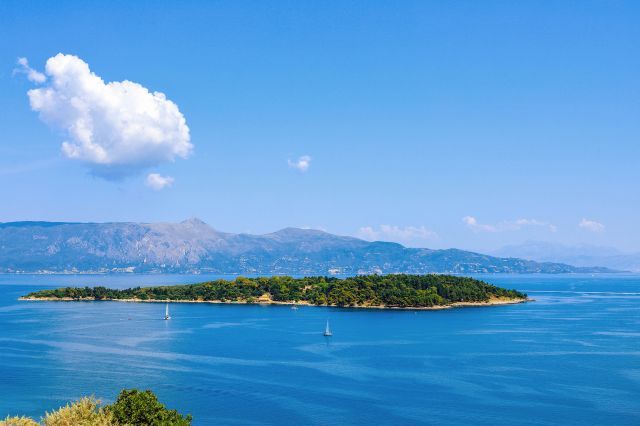
The small islet of Vidos is located right at the entrance of the port of Corfu and boats sail there from the old port of Corfu Town frequently during summer. It has small beaches for swimming, trekking paths and a nice tavern.